Source Vintage Painted Wooden Beads for DIY Crafts
Explore 30 listings for vintage painted wooden beads suitable for jewelry making, home decoration, and festival crafts. Compare specifications like size, shape, and material origin to find the right supplier for your project needs; compare the available evidence and request quotations based on your requirements.
Key considerations
Products List

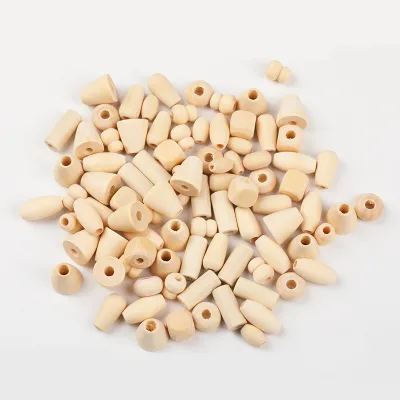


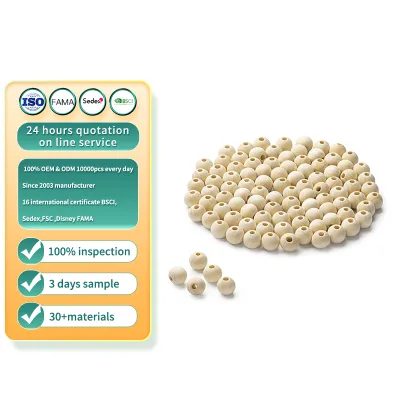


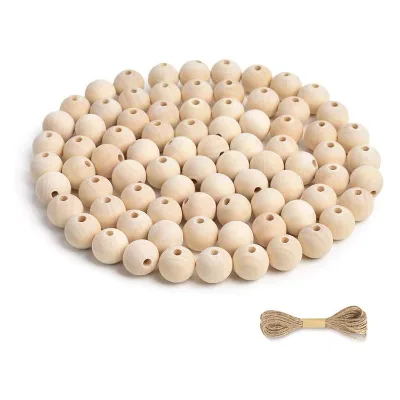


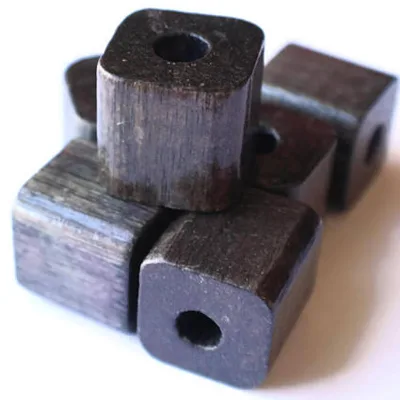
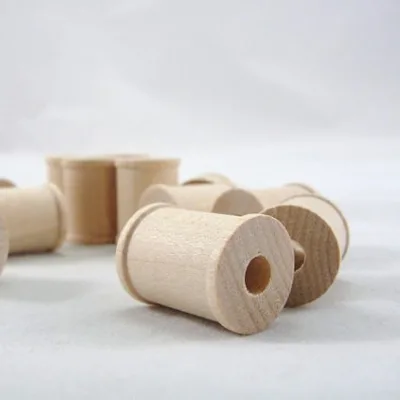
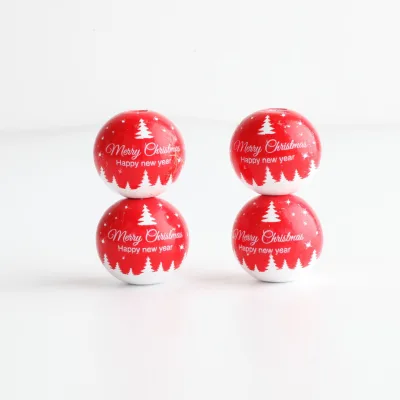
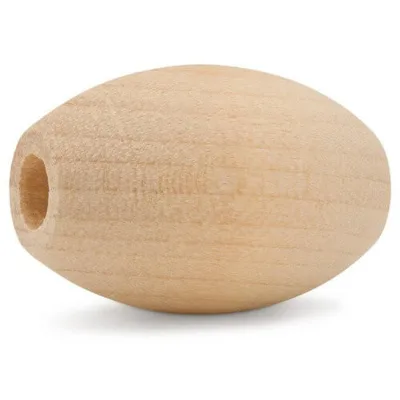
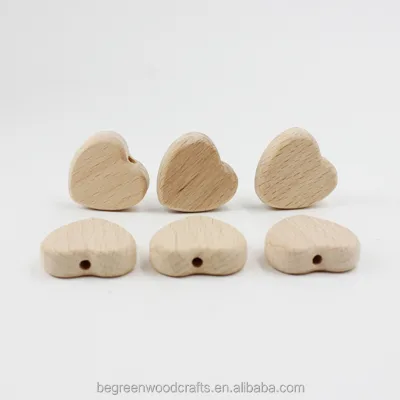


Comprehensive Sourcing Guide
Vintage Painted Wooden Beads Sourcing Guide
Sourcing vintage-style painted wooden beads requires a nuanced understanding of material authenticity, finish durability, and supplier capability. Buyers must distinguish between mass-produced plastic imitations and genuine wood products that offer the tactile warmth and visual depth associated with traditional craftsmanship. The market offers a wide spectrum of options, from raw unfinished beads to those with intricate hand-painted designs, each serving different aesthetic and functional needs in jewelry making, home decor, and educational toys.
This guide focuses on verifying the integrity of the wood source, the safety of the paint finishes, and the reliability of the manufacturing process. It provides a structured approach for procurement professionals to evaluate suppliers, assess product specifications, and ensure compliance with international safety standards. By following these steps, buyers can mitigate risks associated with inconsistent quality, hazardous materials, and supply chain disruptions, ensuring a successful sourcing strategy for high-quality wooden beads.
Product Scope and Observed Listing Signals
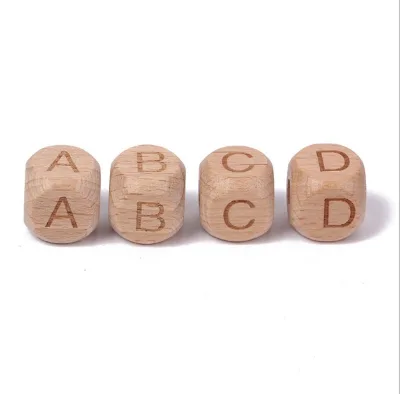
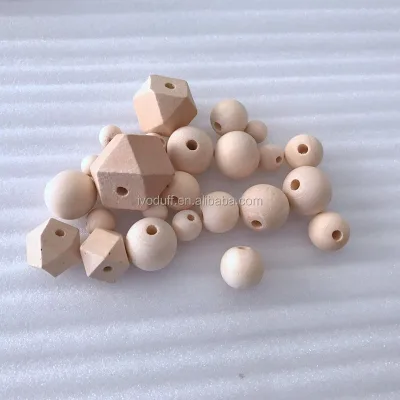
The observed product landscape includes items such as wooden octagonal beads and heart-shaped wooden beads, with sizes ranging from 16 mm to 20 mm. These products are often marketed with attributes like "safe, eco-friendly" and "natural wood color," though some listings also feature colorful variants. Buyers should note that while some products are described as having a natural finish, others may include painted elements, requiring careful verification of the actual product appearance versus the marketing description.
Listing signals also reveal variations in packaging and origin, with products sourced from regions like Zhejiang, Guangdong, and Shandong in China. Some items are packaged in eco-friendly OPP bags within cartons, while others may have different packing requirements. The presence of OEM and ODM services suggests that suppliers are open to customization, allowing buyers to tailor bead shapes, sizes, and finishes to their specific brand requirements. However, buyers must verify these claims directly with suppliers to ensure alignment with their quality standards.
Technical Specifications to Verify
Buyers must rigorously verify the physical dimensions and material composition of the beads. Key specifications to confirm include the exact diameter, such as 16 mm or 20 mm, and the shape, whether octagonal, heart-shaped, or other forms. It is crucial to ensure that the wood type matches the supplier's description, as different wood species have varying densities, grain patterns, and durability. Additionally, buyers should request samples to assess the quality of the paint application, checking for even coverage, adhesion, and resistance to chipping or fading.
Further technical verification should include the weight and packaging details. Single gross weights and package sizes per batch can impact shipping costs and inventory management. Buyers should also inquire about the manufacturing techniques, such as whether the beads are handmade or machine-produced, as this can affect consistency and lead times. Confirming the model numbers and any custom size options available will help in selecting the right product for specific design needs.
Compliance and Safety Documentation
Safety is paramount, especially when sourcing beads for children's toys or jewelry. Buyers must ensure that suppliers provide documentation confirming compliance with relevant safety standards, such as those for lead content and phthalates in paints. While some listings claim "safe, eco-friendly" attributes, these claims must be backed by third-party test reports from accredited laboratories. Buyers should request these reports to verify that the products meet international safety regulations, particularly for markets like the EU and the US.
Additionally, buyers should verify the environmental certifications of the wood source, ensuring that the materials are sustainably harvested. Documentation such as FSC (Forest Stewardship Council) certification can provide assurance of responsible forestry practices. It is also important to check for any chemical treatment processes used on the wood, ensuring that no harmful substances are present. Clear communication with suppliers regarding these compliance requirements is essential to avoid regulatory issues and protect brand reputation.
Cost Drivers and Commercial Terms
Several factors influence the cost of vintage painted wooden beads, including the type of wood, the complexity of the paint design, and the order quantity. Higher-quality woods and intricate hand-painted designs typically command higher prices. Buyers should also consider the MOQ (Minimum Order Quantity), which can range from 20 pieces to 10,000 pieces, affecting the unit price and overall investment. Understanding these cost drivers helps in budgeting and negotiating favorable terms with suppliers.
Commercial terms such as payment methods, shipping costs, and lead times are also critical. Some suppliers require full payment before delivery, while others may offer more flexible terms. Buyers should clarify these terms early in the negotiation process to avoid surprises. Additionally, considering the place of origin and shipping logistics can impact the total landed cost. Establishing a clear understanding of these commercial aspects ensures a smooth transaction and helps in managing cash flow effectively.
Supplier Qualification and Quality Control
Evaluating supplier qualifications is essential to ensure a reliable partnership. Buyers should assess the supplier's business type, such as whether they are a factory direct provider or a trading company, as this can affect pricing and communication efficiency. Checking for certifications, such as ISO standards, and verifying the supplier's production capacity and quality control processes are also important steps. Buyers should request references or case studies to gauge the supplier's track record and reliability.
Quality control measures should be clearly defined and agreed upon before placing orders. This includes establishing inspection criteria for bead dimensions, paint quality, and packaging integrity. Buyers may consider hiring third-party inspection services to conduct pre-shipment inspections, ensuring that the products meet the agreed-upon standards. Regular communication and feedback loops with the supplier can also help in maintaining consistent quality and addressing any issues promptly.
Long-Term Procurement Checks
Building a long-term procurement strategy involves continuous monitoring and evaluation of supplier performance. Buyers should regularly review key performance indicators such as on-time delivery, product quality, and responsiveness to issues. Establishing a scorecard system can help in objectively assessing supplier performance and identifying areas for improvement. Regular audits and site visits, if feasible, can provide deeper insights into the supplier's operations and commitment to quality.
Additionally, buyers should stay informed about market trends and regulatory changes that may impact the sourcing of wooden beads. This includes monitoring developments in sustainable forestry practices and safety regulations. Building a diverse supplier base can also mitigate risks associated with single-source dependency. By maintaining a proactive approach to supplier management and market intelligence, buyers can ensure a resilient and efficient procurement process for vintage painted wooden beads.
FAQs
What materials are used for the wooden beads?
The beads are crafted from natural wood, ensuring an eco-friendly and safe material choice for various applications. This natural composition supports sustainable sourcing practices and provides a sturdy base for painting or decoration. The wood material is selected for its durability and ability to hold finishes well, making it suitable for both industrial and craft uses.
What shapes and sizes are available for these beads?
Available shapes include octagonal and heart styles, with sizes such as 16 mm and 20 mm diameters. Some listings also offer oval or custom dimensions to meet specific project requirements. These varied options allow buyers to select the precise geometry needed for their designs, ensuring compatibility with different stringing or assembly techniques for optimal aesthetic results.
Can I customize the packaging for my order?
Yes, customization is available for packaging to suit your specific logistical needs. Standard options include eco-friendly OPP bags inside and export cartons outside, but you can request alternative arrangements. This flexibility ensures that your goods arrive safely while adhering to your brand's presentation standards or local regulatory requirements for imported materials and finished components.
What is the minimum order quantity for these beads?
The minimum order quantity varies by product, typically ranging from 20 pieces to 1000 pieces depending on the specific item. Some items may require a multiple of 100 units. Buyers should check the specific listing for the exact MOQ to ensure their order meets the supplier's production thresholds and pricing tiers for bulk procurement efficiency.
Where are these wooden beads manufactured?
These beads are manufactured in China, with origins reported in regions such as Zhejiang, Guangdong, and Shandong. This geographic distribution indicates a broad supply network across major manufacturing hubs. Buyers can leverage this widespread production base to find suppliers with specific capabilities, ensuring reliable sourcing from established industrial areas known for wood processing and bead manufacturing.
What services are offered for custom orders?
OEM and ODM services are available to support custom design and branding requirements. Suppliers also provide 24-hour online support and professional after-sale service to assist with any issues. These comprehensive services ensure that buyers receive tailored solutions for their unique product needs, from initial design consultation to post-delivery support, facilitating a smooth sourcing experience.